



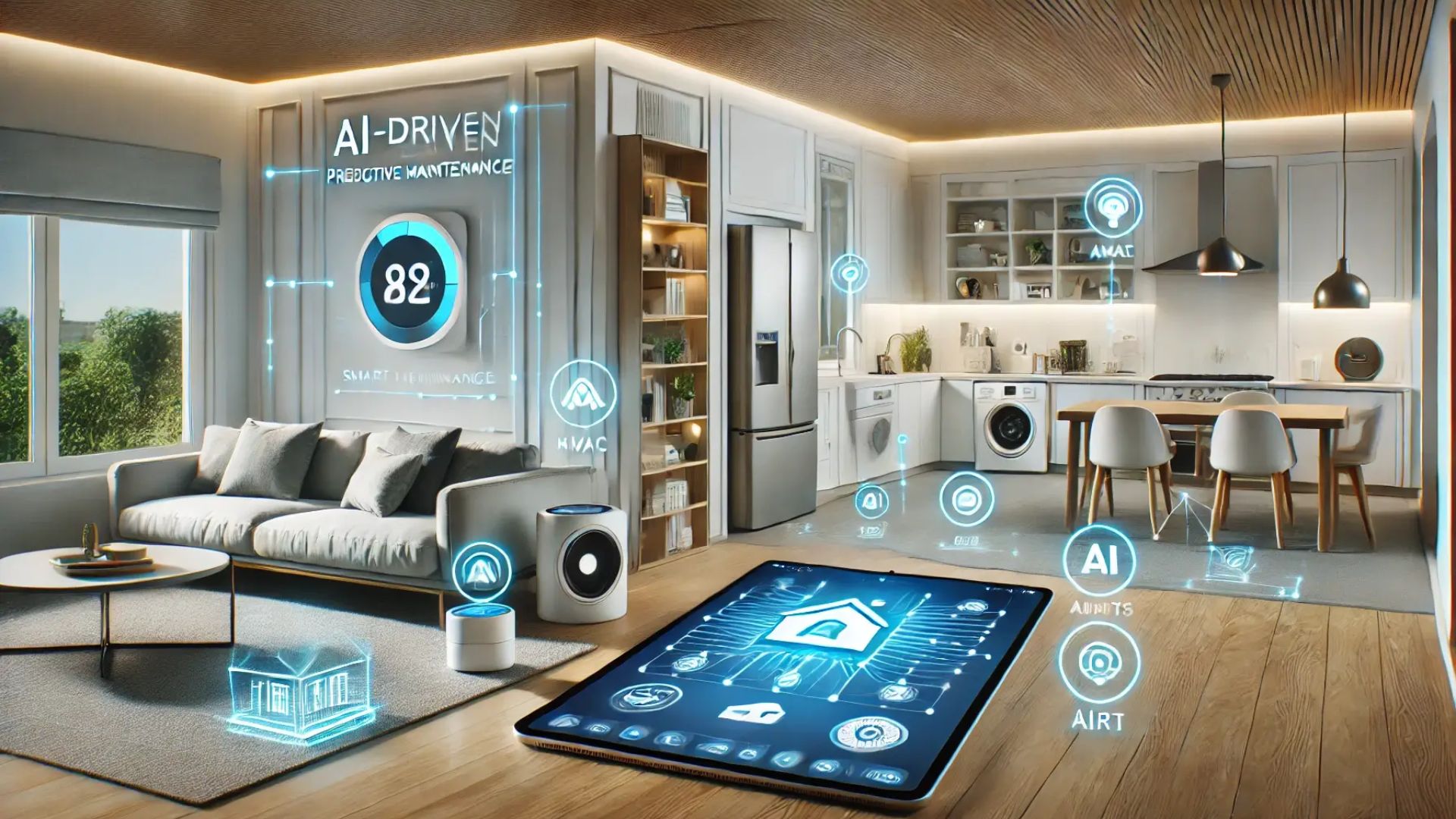
In today’s fast-paced world, stress has become an inevitable part of life, especially within households. Balancing work, family, and personal time can often feel overwhelming. However, the advent of smart homes offers a promising solution to alleviate household stress. By integrating advanced technology into your living space, you can transform your home into a sanctuary of convenience and relaxation.
The concept of smart homes revolves around using technology to automate and control various home functions. This integration not only streamlines daily tasks but also provides numerous benefits that contribute to stress reduction. As smart home features become increasingly desirable, real estate agents often highlight them as valuable amenities that enhance a property’s appeal and convenience.
Understanding the Concept of Smart Homes
The term “smart home” refers to a residence equipped with devices and systems that automate and control household functions. These devices are interconnected and can be remotely monitored and managed through smartphones, tablets, or computers. By utilizing the Internet of Things (IoT), smart homes offer enhanced convenience, security, and energy efficiency.
At the heart of a smart home is the central hub, which acts as a command center for all connected devices. This hub allows you to control lighting, heating, security cameras, and more, all from a single interface. Whether you’re at home or miles away, you can ensure your home operates efficiently and securely.
Smart homes are not just about convenience; they are about creating an environment that adapts to your lifestyle. By automating mundane tasks and providing real-time feedback, smart homes free up time and mental space, allowing you to focus on what truly matters. This extra time can also be invested in healthy habits that help reduce the risk of conditions such as insulin resistance, supporting your overall well-being.
The Connection Between Technology and Stress Reduction
Modern technology plays a pivotal role in reducing stress by simplifying everyday tasks and creating a more organized living environment. When your home systems work seamlessly together, you experience less chaos and more peace of mind. For instance, smart lighting can adjust according to your schedule or preferences, setting a calming ambiance tailored to your mood.
Moreover, technology can provide reminders and alerts, helping you stay on top of household chores and commitments. Imagine receiving a notification when it’s time to water the plants or when the laundry is done. Such conveniences reduce the mental load associated with managing a home. Similarly, setting reminders to take supplements such as Magnesium Glycinate can help you maintain consistent wellness habits as part of your daily routine.
Additionally, smart home devices can foster a sense of security, which is crucial for stress reduction. Knowing that your home is protected by advanced security systems lets you relax and enjoy time with your loved ones, free from worry.
Key Features of Smart Homes for Stress Relief
To truly harness the stress-reducing potential of smart homes, it’s essential to understand their key features. These include automated lighting, climate control, security systems, and more. Each of these features contributes uniquely to creating a peaceful and stress-free home environment. By reducing daily stress and supporting healthier routines, smart home technology can also complement long-term wellness goals, including a body transformation journey.
- Automated Lighting: Smart lighting systems can be programmed to turn on and off at specific times, or adjusted remotely. Whether it’s dimming the lights for a movie night or ensuring all lights are off when you leave, automated lighting offers convenience and energy savings.
- Climate Control: Smart thermostats learn your preferences and adjust temperatures accordingly. You can set them to warm up your home before you arrive or cool it down as you sleep, ensuring comfort without constant manual adjustments.
- Security Systems: Advanced security features, such as smart locks and cameras, provide peace of mind by allowing you to monitor your home from anywhere. You can receive alerts of any suspicious activity, enhancing your sense of safety.
These features, among others, ensure that your home is not just a place to live, but a haven that supports your well-being by reducing stress and enhancing comfort.
How Smart Home Devices Enhance Daily Life
Incorporating smart home devices into your daily routine can significantly enhance your quality of life. These devices simplify tasks, provide valuable insights, and adapt to your needs, making everyday living more enjoyable and less stressful.
Smart speakers, for example, act as personal assistants, helping you manage your schedule, play music, or even control other smart devices using voice commands. This hands-free convenience allows you to multitask efficiently, reducing the time and effort needed for routine activities.
Additionally, smart appliances, such as refrigerators and washing machines, can alert you to maintenance issues or remind you to restock groceries. This proactive approach to home management prevents last-minute surprises and keeps your household running smoothly.
By enhancing daily life through automation and intelligence, smart home devices empower you to focus on activities that bring joy and fulfillment, rather than being bogged down by mundane tasks.
Energy Management and Its Impact on Household Stress
Energy management is a crucial aspect of smart homes that not only reduces stress but also contributes to environmental sustainability. With smart energy solutions, you can monitor and control energy consumption, leading to significant cost savings and a reduced carbon footprint.
Smart meters provide real-time data on energy usage, allowing you to identify patterns and make informed decisions about reducing consumption. You can set schedules for devices and appliances to operate during off-peak hours, maximizing efficiency and minimizing costs.
Moreover, smart plugs and outlets can be used to control power to appliances, ensuring they are only on when needed. This reduces unnecessary energy usage and helps in lowering utility bills, freeing you from the stress of managing household expenses.
By taking control of your energy usage, you not only contribute to a healthier planet but also create a more financially stable and less stressful household.
Security Features of Smart Homes: Peace of Mind
Security is a primary concern for any homeowner, and smart homes address this need with cutting-edge technology. The security features of smart homes provide unparalleled peace of mind, ensuring that your home and family are protected at all times.
Smart locks allow you to control access to your home remotely, granting entry to family members or trusted individuals even when you’re not present. You can receive alerts when doors are opened, adding an extra layer of security and awareness.
In addition to locks, smart cameras offer 24/7 surveillance, enabling you to monitor your property from anywhere in the world. With motion detection and live streaming capabilities, you can stay informed about any unusual activities around your home.
These security enhancements not only protect your physical space but also contribute to reducing anxiety and stress related to home safety, allowing you to enjoy a worry-free lifestyle.
Automation and Convenience: Reducing Daily Hassle
The automation and convenience offered by smart homes significantly reduce daily hassle, making life more manageable and enjoyable. By automating routine tasks, you can save time and energy, allowing you to focus on more important aspects of life.
Imagine waking up to a freshly brewed cup of coffee, thanks to a smart coffee maker programmed to start brewing as your alarm goes off. Or consider the convenience of a smart vacuum that cleans your home while you’re at work, ensuring a tidy space without any effort on your part.
Such automation not only simplifies chores but also enhances productivity by eliminating distractions. With less time spent on mundane tasks, you can devote more attention to personal growth, family, and leisure activities, creating a balanced and stress-free lifestyle.
Tips for Transitioning to a Smart Home
Transitioning to a smart home can be an exciting yet overwhelming process. To ensure a smooth and successful transformation, consider the following tips:
- Start Small: Begin with a few key devices that align with your immediate needs, such as smart lighting or a thermostat. Gradually expand your smart home ecosystem as you become more comfortable with the technology.
- Set a Budget: Smart home devices range in price, so it’s important to establish a budget to avoid overspending. Focus on high-impact devices that offer the best return on investment.
- Research Compatibility: Ensure that all devices you purchase are compatible with your central hub or smart assistant. This will streamline the integration process and enhance overall functionality.
- Seek Professional Help: If you’re unsure about installation or setup, consider hiring a professional to assist you. This can save time and prevent potential technical issues.
By following these tips, you can seamlessly transition to a smart home, reaping the benefits of reduced stress and enhanced convenience.
Future Trends in Smart Home Technology
The future of smart home technology is bright, with ongoing advancements promising even greater convenience and stress reduction. As technology continues to evolve, several trends are poised to revolutionize the way we interact with our homes.
- Artificial Intelligence (AI): AI will play a significant role in enhancing smart home automation, allowing devices to learn from your habits and preferences, offering personalized experiences.
- Integration with Wearables: Smart homes will increasingly integrate with wearable devices, enabling seamless control and monitoring of home functions from smartwatches and fitness trackers.
- Sustainability Focus: Future smart home solutions will prioritize sustainability, with an emphasis on energy efficiency and eco-friendly materials, promoting a healthier planet and reducing household stress.
By staying informed about these trends, you can prepare for the exciting developments that will make smart homes even more effective in creating stress-free living environments.
Conclusion: Embracing Smart Homes for a Stress-Free Life
Embracing smart home technology is a powerful step toward reducing household stress and enhancing your quality of life. By automating tasks, improving security, and managing energy efficiently, smart homes offer a holistic approach to creating a serene and balanced living environment.
As you consider transitioning to a smart home, remember that the journey is a personal one. Choose solutions that align with your lifestyle and priorities, and take advantage of the numerous benefits they offer in reducing stress and promoting well-being.


