



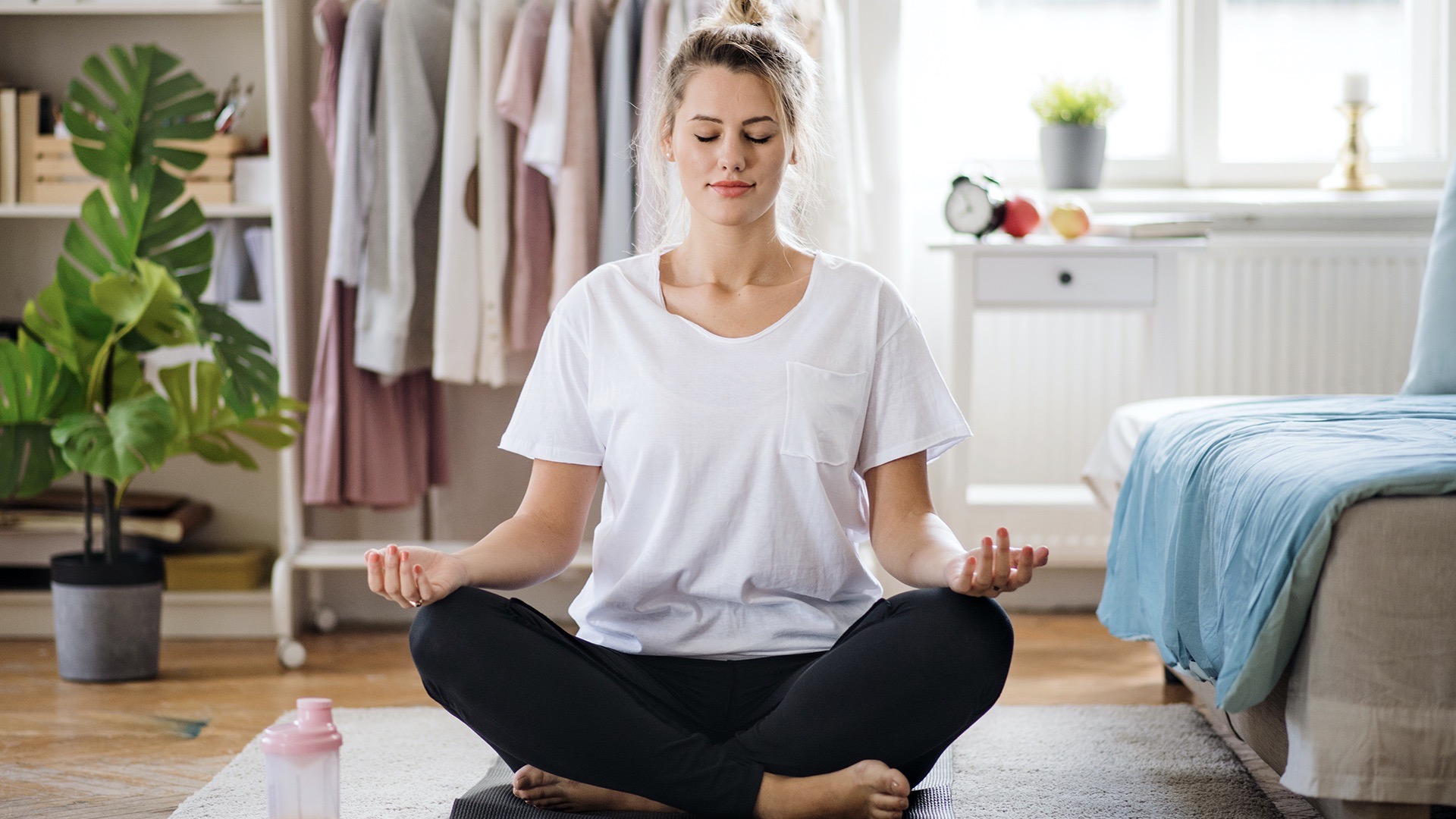
In today’s fast-paced world, transforming your home into a mini rehabilitation and relaxation center can enhance your overall well-being. The concept of wellness at home is increasingly significant as people seek refuge from their busy lives. Creating a space tailored for relaxation and rehabilitation allows you to manage stress, recover from physical exertion, and promote mental health.
Integrating a rehabilitation and relaxation center within your home doesn’t require a complete overhaul. Small, intentional changes can significantly impact your daily life. By focusing on areas that promote peace and recovery—such as incorporating elements inspired by a balinese massage environment—you can create a sanctuary that supports both physical and mental wellness.
Your home should be a haven where you can unwind and recharge. By dedicating specific areas for relaxation and rehabilitation, you can foster an environment that encourages you to pause, breathe, and focus on your well-being.
Understanding the Importance of Wellness at Home
Wellness at home is more than just a trend; it’s an essential component of a balanced life. When your living environment supports your health, you can experience improved physical, mental, and emotional well-being. This holistic approach to wellness considers how each aspect of your life interacts and influences your overall health.
A home that prioritizes wellness can help reduce stress, enhance productivity, and improve mood. Incorporating wellness practices into your daily routine can lead to a more fulfilling and balanced life. By focusing on the small details of your living space, you can create an environment that encourages healthful habits and supports your journey towards better well-being.
The importance of wellness at home cannot be understated, as it forms the foundation for a healthier lifestyle. By prioritizing wellness, you can create a space that nurtures your body, mind, and spirit, leading to long-lasting benefits. For example, maintaining a balanced diet with proper nutrition or supplements like a mass gainer, creating a calming corner for meditation or relaxation, and setting up a small workout area all contribute to a more supportive and health-focused home environment.
Key Elements of a Mini Rehabilitation Center
Creating a mini rehabilitation center in your home involves integrating key elements that support recovery and relaxation. These elements should focus on promoting healing and providing a space where you can rejuvenate both physically and mentally.
- Comfortable Seating: Ensure your space includes ergonomic chairs or cushions that provide support during relaxation or recovery exercises.
- Calming Colors: Use soothing colors like soft blues, greens, and neutrals to create a calming atmosphere that promotes relaxation.
- Sensory Elements: Incorporate soft lighting, gentle music, and calming scents such as lavender or eucalyptus to enhance the sensory experience.
- Functional Space: Designate an area for physical therapy exercises or yoga, ensuring you have enough room to move freely and comfortably.
Integrating these elements into your home rehabilitation center can create an environment that encourages healing and relaxation. With careful planning, you can design a space that meets your needs and supports your wellness journey, especially when incorporating areas dedicated to the best strength training routines.
Creating a Relaxation Space: Design and Decor Tips
Designing a relaxation space within your home requires thoughtful consideration of design and decor elements that promote tranquility and peace. Start by selecting a location that offers privacy and minimal distractions, allowing you to fully unwind and rejuvenate.
Consider incorporating natural materials such as wood, stone, and bamboo to create a connection with nature. These elements can add warmth and texture to your space, enhancing its calming effect. Additionally, choose furniture that is both comfortable and supportive, allowing you to fully relax without strain.
When it comes to decor, less is often more. Opt for minimalistic design elements that reduce visual clutter and promote a sense of serenity. Use plants, essential oils, or a small water feature to add natural beauty and tranquility to your space. By focusing on these design and decor tips, you can create a relaxation space that serves as a personal retreat from the stresses of everyday life.
Incorporating Nature: The Role of Plants in Wellness
Plants play a crucial role in enhancing wellness within your home by improving air quality, reducing stress, and boosting mood. Incorporating greenery into your space can create a calming atmosphere that supports relaxation and rehabilitation.
When selecting plants, opt for varieties that thrive indoors and require minimal maintenance, such as snake plants, peace lilies, or pothos. These plants are known for their air-purifying qualities and can help reduce pollutants and increase oxygen levels in your home.
Beyond their air-purifying properties, plants can also promote mental well-being. Studies have shown that exposure to nature can reduce stress levels and improve mood. By incorporating plants into your home rehabilitation and relaxation center, you can create a harmonious environment that fosters both physical and mental wellness.
Essential Equipment for Home Rehabilitation
Equipping your home rehabilitation center with essential tools and equipment can enhance your recovery and relaxation experience. Depending on your specific needs, consider the following items:
- Foam Rollers: Ideal for muscle recovery and tension relief, foam rollers can help improve flexibility and reduce soreness.
- Resistance Bands: These versatile tools are perfect for strength training and rehabilitation exercises, offering varying levels of resistance.
- Yoga Mats: A high-quality yoga mat provides a comfortable surface for stretching, yoga, or meditation practices.
- Massage Tools: Handheld massagers or massage balls can help relieve muscle tension and promote relaxation.
Investing in the right equipment can elevate your home rehabilitation experience, allowing you to effectively manage recovery and enhance your overall wellness. Choose items that align with your personal goals and preferences to create a customized and supportive environment.
Mindfulness and Meditation Areas: How to Set Them Up
Creating a mindfulness and meditation area in your home is essential for promoting mental clarity and emotional well-being. This space should be free from distractions and designed to encourage relaxation and focus.
Start by selecting a quiet corner or room where you can practice without interruptions. Use soft furnishings, such as cushions or a meditation bench, to provide comfort during your practice. Consider adding elements like candles, essential oils, or a small altar to enhance the ambiance and create a sacred space.
Incorporate mindfulness tools, such as meditation guides, soothing music, or a singing bowl, to support your practice. By setting up a dedicated mindfulness and meditation area, you can cultivate a sense of peace and tranquility that benefits your mental and emotional health.
The Importance of Lighting in a Relaxation Center
Lighting plays a vital role in creating a soothing atmosphere in your home relaxation center. The right lighting can set the mood, influence your emotions, and enhance the overall ambiance of your space.
Opt for soft, ambient lighting that mimics natural light to create a calming environment. Avoid harsh, direct lighting, as it can cause stress and discomfort. Instead, use lamps, candles, or string lights to create a warm, inviting glow.
Consider adjustable lighting solutions that allow you to customize the brightness and color temperature to suit your needs. This flexibility ensures that your relaxation space is always conducive to unwinding and de-stressing. By prioritizing the importance of lighting, you can create a serene and harmonious environment that supports relaxation and wellness.
Integrating Wellness Practices into Daily Life
Incorporating wellness practices into your daily routine can lead to long-lasting benefits for your physical, mental, and emotional health. Start by identifying activities that promote relaxation and well-being, such as yoga, meditation, or deep breathing exercises.
Create a schedule that allows you to regularly engage in these practices, ensuring that they become a consistent part of your routine. Set aside time each day to focus on self-care and relaxation, even if it’s just a few minutes.
By integrating wellness practices into your daily life, you can create a balanced lifestyle that supports your overall health. This commitment to wellness can lead to improved mood, reduced stress, and enhanced quality of life.
Tips for Maintaining Your Mini Rehabilitation and Relaxation Center
Maintaining your home rehabilitation and relaxation center is essential to ensuring its continued effectiveness and impact on your well-being. Regular maintenance and care will keep your space organized and inviting.
- Clean and Declutter: Regularly clean and organize your space to maintain a tidy and peaceful environment. Remove any unnecessary items or clutter that may detract from the calming atmosphere.
- Update Equipment: Periodically assess your equipment and replace or upgrade items as needed to ensure they continue to support your wellness goals.
- Refresh Decor: Consider updating your decor with new elements or seasonal accents to keep your space feeling fresh and inviting.
By following these tips, you can maintain a mini rehabilitation and relaxation center that remains a sanctuary for your well-being.
Conclusion: Embracing Wellness at Home
Embracing wellness at home is a journey that involves creating a space that supports both physical and mental health. By transforming your home into a mini rehabilitation and relaxation center, you can foster an environment that encourages relaxation, recovery, and self-care.


