


The Future of Fashion and Home Decor: A 2025 Forecast
As we approach 2025, the worlds of fashion and home decor are undergoing a revolutionary transformation. The convergence of technology, sustainability, and cultural influences is reshaping how we dress and design our living spaces. This article will explore the cutting-edge trends that are set to dominate the fashion and home decor industries in the coming years.
From eco-friendly fabrics to smart homes, the future promises exciting innovations that will change the way you express yourself through clothing and interior design. By staying informed about these emerging trends, you’ll be well-equipped to make stylish and forward-thinking choices in your wardrobe and living spaces. For instance, incorporating woven shirts into your attire can offer both comfort and style, aligning with the latest fashion movements.
So, buckle up and get ready to dive into the fascinating world of 2025’s fashion and home decor landscape. Whether you’re a trendsetter, a tech enthusiast, or simply curious about what the future holds, this comprehensive guide will help you stay ahead of the curve.
Sustainable Style: Eco-Friendly Fashion Trends
As environmental concerns continue to grow, the fashion industry is responding with innovative, sustainable solutions. In 2025, eco-friendly fashion will no longer be a niche market but a mainstream necessity. You’ll find an abundance of clothing options that not only look great but also minimize their impact on the planet. For instance, brands like Whimsy & Row offer sustainable fancy dresses, providing stylish choices for conscious consumers.
One of the most significant trends will be the widespread use of biodegradable materials. Designers are developing fabrics made from algae, mushrooms, and other organic substances that can decompose naturally at the end of their lifecycle. These materials offer a viable alternative to synthetic fibers, reducing the fashion industry’s reliance on petroleum-based products.
Another exciting development is the rise of closed-loop manufacturing processes. Brands are investing in technologies that allow them to recycle old garments into new ones, significantly reducing waste and conserving resources. You’ll be able to purchase stylish clothing made from recycled materials without compromising on quality or aesthetics. However, it’s important to be cautious of replica dresses in the market, as they often mimic original designs without adhering to sustainable practices, potentially undermining environmental efforts.
Key Sustainable Fashion Trends for 2025:
- Biodegradable fabrics
- Closed-loop manufacturing
- Water-conserving dyeing techniques
- Zero-waste pattern cutting
- Regenerative agriculture for natural fibers
By embracing these eco-friendly fashion trends, you’ll not only look great but also contribute to a more sustainable future for the planet.
Tech-Infused Clothing: Wearable Technology Takes Center Stage
The integration of technology into clothing is set to reach new heights in 2025. Wearable tech will evolve beyond fitness trackers and smart watches, becoming an integral part of your everyday wardrobe. These innovative garments will seamlessly blend style with functionality, enhancing your daily life in ways you never thought possible.
One of the most exciting developments is the advent of smart fabrics. These materials can change color or pattern at the touch of a button, allowing you to adapt your outfit to different occasions or moods instantly. Imagine wearing a dress that transforms from a professional daytime look to a glamorous evening ensemble with just a tap on your smartphone.
Temperature-regulating clothing will also become more sophisticated and widely available. These garments will use advanced materials and embedded sensors to keep you comfortable in any climate. Whether you’re facing a scorching summer day or a frigid winter night, your clothing will automatically adjust to maintain the perfect body temperature.
Innovative Wearable Tech Features:
- Mood-responsive fabrics that change color based on your emotions
- Built-in air purifiers for polluted urban environments
- Solar-powered charging capabilities for your devices
- Health monitoring sensors integrated into everyday clothing
- Augmented reality displays woven into fabric
As wearable technology becomes more advanced and seamlessly integrated into fashion, you’ll find that your clothing not only expresses your style but also enhances your daily life in countless ways.
Biophilic Design: Bringing Nature Indoors
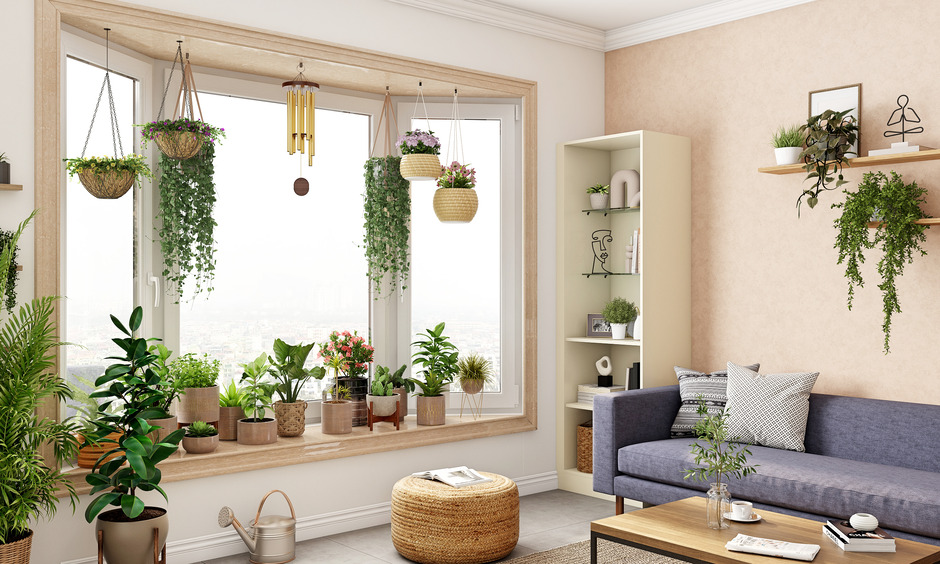
In 2025, the line between indoor and outdoor spaces will continue to blur as biophilic design takes center stage in home decor. This approach focuses on incorporating natural elements and patterns into interior spaces, creating a harmonious connection between humans and nature. By embracing biophilic design, you’ll transform your home into a sanctuary that promotes well-being and reduces stress.
One of the key aspects of this trend is the increased use of natural materials. You’ll see a surge in furniture and decor items made from sustainably sourced wood, stone, and other organic materials. These elements will bring warmth and texture to your living spaces, creating a calming atmosphere that mimics the natural world.
Living walls and indoor gardens will become more prevalent and technologically advanced. Vertical gardens equipped with self-watering systems and LED grow lights will allow you to cultivate lush greenery even in small urban apartments. These living installations will not only purify the air but also serve as stunning focal points in your home.
Biophilic Design Elements to Incorporate:
- Natural light optimization through strategic window placement
- Water features like indoor fountains or miniature waterfalls
- Organic shapes and patterns in furniture and decor
- Nature-inspired color palettes (earthy tones, forest greens, sky blues)
- Textured surfaces that mimic natural elements (bark, leaves, stone)
By incorporating these biophilic design principles, you’ll create a living space that not only looks beautiful but also promotes a sense of calm and connection to the natural world.
Retro Futurism: Blending Nostalgia with Innovation
As we look towards 2025, a fascinating trend emerges in both fashion and home decor: retro futurism. This unique style combines elements of past decades with cutting-edge technology and futuristic designs, creating a captivating blend of nostalgia and innovation. By embracing retro futurism, you’ll be able to infuse your wardrobe and living spaces with a sense of timeless cool while staying on the forefront of modern trends.
In fashion, you’ll see a resurgence of iconic styles from the 1960s and 1970s, reimagined with high-tech materials and smart features. Think mod-inspired dresses with color-changing fabrics or disco-era jumpsuits equipped with built-in climate control. These pieces will allow you to channel the spirit of bygone eras while enjoying the benefits of 21st-century technology.
Home decor will also embrace this retro-futuristic aesthetic. Mid-century modern furniture will be updated with integrated smart home features, allowing you to control your environment with vintage-inspired pieces. Space Age-inspired lighting fixtures will incorporate advanced LED technology, creating ambient illumination that can be customized to suit your mood or activity.
Retro Futurism Design Elements:
- Atomic and geometric patterns in textiles and wallpapers
- Curved, organic shapes in furniture design
- Bold, saturated colors combined with metallic accents
- Retro-inspired appliances with modern eco-friendly features
- Vintage-style robots and gadgets as decorative pieces
By incorporating retro futurism into your fashion choices and home decor, you’ll create a unique and visually striking aesthetic that pays homage to the past while embracing the future.
Personalized Fashion: AI-Driven Custom Designs
In 2025, the concept of “one-size-fits-all” will become obsolete as artificial intelligence revolutionizes the fashion industry. AI-driven custom designs will allow you to create clothing that perfectly fits your body shape, personal style, and lifestyle needs. This technology will democratize fashion, making bespoke clothing accessible to a wider audience and reducing waste in the industry.
Body scanning technology will become more sophisticated and widely available, allowing you to create a detailed digital avatar of yourself. This avatar will serve as the basis for AI algorithms to design clothing that fits you perfectly. You’ll be able to virtually try on garments before they’re even made, ensuring that every piece in your wardrobe is tailored to your exact specifications.
AI will also analyze your personal style preferences, lifestyle, and even your social media activity to suggest designs that align with your taste. These intelligent systems will learn from your feedback, continuously refining their recommendations to create a truly personalized fashion experience.
Benefits of AI-Driven Custom Fashion:
- Perfect fit for every body type
- Reduced clothing waste due to better-fitting garments
- Personalized style recommendations based on individual preferences
- Ability to create unique, one-of-a-kind pieces
- Streamlined shopping experience with virtual try-ons
By embracing AI-driven custom fashion, you’ll not only look great in perfectly fitting clothes but also contribute to a more sustainable and personalized approach to style.
Smart Homes 2.0: The Evolution of Connected Living Spaces
As we approach 2025, the concept of smart homes will evolve significantly, transforming the way you interact with your living space. The next generation of connected homes will go beyond simple voice commands and app controls, offering a more intuitive and seamless integration of technology into your daily life.
Artificial intelligence will play a central role in this evolution, learning your habits and preferences to anticipate your needs. Your home will automatically adjust lighting, temperature, and even ambient sounds based on your mood, time of day, and activities. This predictive technology will create a living environment that adapts to you, rather than requiring constant manual adjustments.
Augmented reality (AR) will also become an integral part of smart home interfaces. Instead of relying on screens or voice commands, you’ll be able to interact with your home’s systems through AR overlays visible through special glasses or contact lenses. This technology will allow you to control devices, access information, and customize your environment with simple gestures or eye movements.
Key Features of Smart Homes 2.0:
- Predictive AI that anticipates your needs
- Seamless integration of AR interfaces
- Advanced energy management systems
- Holographic communication capabilities
- Self-maintaining and self-repairing home systems
By embracing these advanced smart home technologies, you’ll create a living space that not only caters to your needs but also enhances your daily life in ways you never thought possible.
Multifunctional Furniture: Adapting to Changing Lifestyles
As urban living spaces continue to shrink and lifestyles become more fluid, multifunctional furniture will become essential in 2025. These innovative pieces will allow you to maximize your living space while adapting to your changing needs throughout the day. By investing in versatile furniture, you’ll be able to create a home that’s both stylish and highly functional.
One of the most exciting developments in this area is the advent of shape-shifting furniture. Using advanced materials and mechanisms, these pieces can transform to serve different purposes. Imagine a coffee table that expands into a dining table for entertaining guests, or a sofa that converts into a comfortable bed for overnight visitors.
Another trend you’ll see is the integration of technology into multifunctional furniture. Pieces like ottomans with built-in charging stations or bookshelves with integrated smart displays will become commonplace. These tech-enhanced furnishings will help you declutter your space while keeping you connected and organized.
Examples of Multifunctional Furniture:
- Modular seating systems that can be reconfigured for various uses
- Wall beds with integrated home office setups
- Kitchen islands that transform into dining tables
- Storage units with built-in exercise equipment
- Adjustable-height furniture for standing or sitting work options
By incorporating multifunctional furniture into your home, you’ll create a living space that’s not only stylish but also adaptable to your ever-changing needs.
Virtual Reality in Fashion: Digital Wardrobes and Virtual Try-Ons
In 2025, virtual reality (VR) will revolutionize the way you shop for and experience fashion. Digital wardrobes and virtual try-ons will become commonplace, allowing you to explore and experiment with clothing in ways never before possible. This technology will not only enhance your shopping experience but also contribute to a more sustainable fashion industry.
Digital wardrobes will allow you to catalog and organize your existing clothing in a virtual space. You’ll be able to mix and match items, create outfits, and even see how new pieces would fit into your current wardrobe before making a purchase. This technology will help you make more informed buying decisions and reduce the likelihood of purchasing items that don’t complement your existing style.
Virtual try-ons will take online shopping to a new level. Using advanced body scanning technology and realistic 3D rendering, you’ll be able to see how clothing looks and fits on your digital avatar. This immersive experience will allow you to shop from the comfort of your home while still getting a sense of how garments will look and feel in real life.
Benefits of VR in Fashion:
- Reduced need for physical clothing samples, leading to less waste
- Ability to experiment with styles you might not typically try
- Enhanced online shopping experience with more accurate fit predictions
- Virtual fashion shows and events accessible from anywhere in the world
- Collaborative shopping experiences with friends in virtual spaces
By embracing virtual reality in fashion, you’ll not only enjoy a more convenient and immersive shopping experience but also contribute to a more sustainable and innovative industry.
Cultural Fusion: Global Influences in Fashion and Decor
As the world becomes increasingly interconnected, 2025 will see a rise in cultural fusion within both fashion and home decor. This trend celebrates diversity and global influences, creating unique and eclectic styles that blend elements from various cultures and traditions. By embracing cultural fusion, you’ll be able to create a personal style and living space that reflects the richness of our global community.
In fashion, you’ll see designers drawing inspiration from traditional textiles, patterns, and silhouettes from around the world. These elements will be reimagined and combined in unexpected ways, creating garments that are both familiar and fresh. For example, you might find a kimono-inspired jacket made with African wax print fabric, or a sari-influenced evening gown with Art Deco beadwork.
Home decor will also reflect this global melting pot of influences. You’ll be able to create living spaces that tell a story of world travels and cultural appreciation. Mixing furniture styles, textiles, and decorative objects from different parts of the world will result in rich, layered interiors that are uniquely personal and visually captivating.
Ways to Incorporate Cultural Fusion:
- Mix traditional patterns from different cultures in your textiles
- Combine furniture styles from various regions in a single room
- Display a curated collection of global art and artifacts
- Use a diverse color palette inspired by different cultural traditions
- Blend cooking styles and present meals using various cultural serving methods
By embracing cultural fusion in your fashion choices and home decor, you’ll create a style that’s not only visually striking but also celebrates the beauty of our diverse world.
Circular Economy: The Rise of Up cycled and Recycled Materials
As we approach 2025, the circular economy will play an increasingly important role in both fashion and home decor. This approach focuses on minimizing waste and maximizing the use of resources through upcycling and recycling. By embracing products made from repurposed materials, you’ll not only stay on-trend but also contribute to a more sustainable future.
In the fashion industry, you’ll see a surge in clothing made from recycled fabrics and upcycled materials. Designers will find innovative ways to transform discarded textiles into high-quality garments, giving new life to materials that would otherwise end up in landfills. For example, you might find a chic jacket made from recycled plastic bottles or a stylish handbag crafted from reclaimed leather.
Home decor will also embrace the circular economy concept. Furniture and decorative items made from reclaimed wood, recycled metals, and repurposed materials will become increasingly popular. These pieces will not only add character to your living space but also tell a story of sustainability and creative reuse.
Circular Economy Innovations:
- Clothing rental services to reduce individual consumption
- Repair cafes where you can learn to mend and upcycle your own items
- Modular furniture designs that can be easily disassembled and recycled
- Packaging-free stores for fashion and home goods
- Digital platforms for swapping or reselling pre-loved items
By supporting the circular economy through your fashion and decor choices, you’ll be part of a movement that’s reshaping industries and promoting a more sustainable way of living.
Conclusion: Embracing Change in Fashion and Home Decor
As we look towards 2025, it’s clear that the worlds of fashion and home decor are on the cusp of exciting transformations. From sustainable materials and tech-infused clothing to biophilic design and smart homes, the future promises innovative solutions that will enhance your style and living spaces while addressing environmental concerns.
By staying informed about these emerging trends, you’ll be well-equipped to make choices that not only keep you ahead of the curve but also contribute to a more sustainable and technologically advanced future. Whether you’re passionate about eco-friendly fashion, excited by the possibilities of AI-driven design, or intrigued by the concept of virtual reality in shopping, there’s something for everyone in the fashion and home decor landscape of 2025.
Remember, embracing these trends doesn’t mean completely overhauling your wardrobe or redecorating your entire home overnight. Instead, consider incorporating elements that resonate with your personal style and values. Start small by experimenting with sustainable fabrics, introducing a few smart home devices, or adding some biophilic elements to your living space.
As you navigate these emerging trends, keep in mind that the most important aspect of fashion and home decor is expressing your unique personality and creating spaces that make you feel comfortable and inspired. Use these innovations as tools to enhance your lifestyle and reflect your individual taste.
