


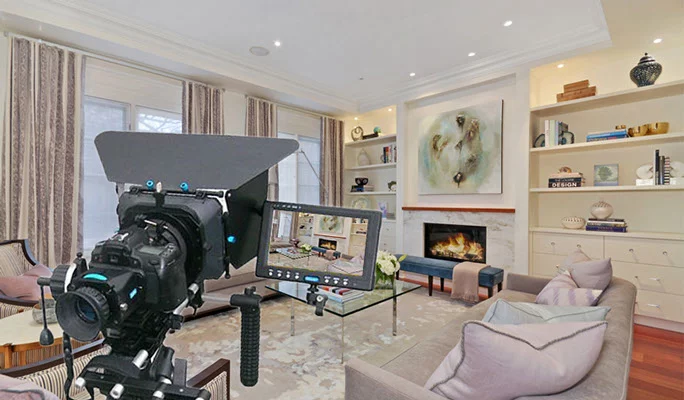
Ergonomics, often associated with workplace efficiency, plays a pivotal role in real estate filmmaking. It involves designing filmmaking processes and environments that optimize comfort and performance, reducing physical strain on filmmakers. For those in real estate filmmaking, understanding how ergonomic principles apply can dramatically enhance the quality and efficiency of their work.
Real estate filmmakers often work in dynamic environments, requiring them to move frequently and handle various equipment. Ergonomics helps in creating a workflow that minimizes unnecessary movements and maximizes productivity. By applying ergonomic principles, filmmakers and professionals in a Creative agency can ensure that they maintain their health while maximizing their creative output.
The application of ergonomics isn’t limited to physical comfort; it also extends to the cognitive load faced by filmmakers. Organizing equipment, managing time effectively, and ensuring a seamless flow of tasks are essential components of ergonomics that can significantly improve the filmmaking process.
The Importance of Ergonomics for Filmmakers
Filmmakers are often on their feet for long hours, carrying heavy equipment and moving between multiple locations. Ergonomics is crucial as it helps prevent physical strain and injuries that could arise from poor posture or improper handling of equipment. Concepts such as neurodynamics can further support movement efficiency and reduce stress on the nervous system during demanding physical tasks. By prioritizing ergonomics, filmmakers can safeguard their well-being, allowing them to focus more on their creative endeavors.
Additionally, ergonomics enhances efficiency by streamlining processes and reducing fatigue. When filmmakers are comfortable and less stressed, they are more likely to produce high-quality content. This is particularly important in real estate filmmaking, where visual storytelling and attention to detail are paramount.
Moreover, embracing ergonomics can lead to long-term benefits such as reduced healthcare costs and increased job satisfaction. Filmmakers who adopt ergonomic practices are likely to experience fewer health-related disruptions, contributing to a more sustainable career.
Common Ergonomic Issues Faced by Real Estate Filmmakers
Real estate filmmakers often encounter ergonomic challenges that can impact their productivity and health. One common issue is the repetitive strain from handling cameras and equipment. Incorporating regular injury prevention exercises into their routine can help reduce muscle fatigue and lower the risk of repetitive stress injuries caused by poor ergonomic practices.
Another significant challenge is poor posture during shoots. Long hours spent in awkward positions can lead to back pain and other musculoskeletal issues. Filmmakers must be mindful of their posture and make necessary adjustments to avoid long-term discomfort.
Lighting and environmental conditions also pose ergonomic challenges. Filmmakers must often adapt to varying light conditions, which can strain the eyes and lead to fatigue. Ensuring that equipment is set up ergonomically can mitigate these issues, allowing filmmakers to focus on capturing the best shots.
The Impact of Ergonomics on Filmmaking Efficiency
Ergonomics directly influences the efficiency of filmmaking. By minimizing physical strain and optimizing workflows, filmmakers can complete projects faster and with greater accuracy. This is particularly beneficial in real estate filmmaking, where time is often of the essence to meet client demands.
Streamlined processes also result from ergonomic considerations. When equipment is organized and accessible, filmmakers spend less time searching for tools and more time shooting. This reduction in downtime leads to a more productive work environment and better resource management.
Furthermore, the psychological benefits of ergonomics cannot be overlooked. Reduced stress and increased comfort can enhance creativity and decision-making, allowing filmmakers to produce more innovative and compelling content. This, in turn, contributes to the overall success of real estate projects.
Key Ergonomic Tools and Equipment for Filmmaking
Investing in ergonomic tools and equipment is crucial for real estate filmmakers. Some essential items include:
- Ergonomic Camera Supports: Tripods and stabilizers that reduce strain on the arms and shoulders.
- Adjustable Lighting Kits: Portable lighting solutions that allow for ergonomic adjustments to reduce eye strain.
- Comfortable Footwear: Shoes that provide adequate support during long shoots.
- Back Supports: Equipment harnesses and belts that distribute weight evenly to prevent back injuries.
- Ergonomic Workstations: Portable desks and chairs that support proper posture during editing and review sessions.
Selecting the right tools can make a significant difference in the overall comfort and efficiency of a filmmaker’s workflow. It is essential to prioritize ergonomics when choosing equipment to ensure that it supports the physical demands of filmmaking.
Best Practices for Ergonomics in Real Estate Filmmaking
Adopting best practices in ergonomics can significantly enhance your filmmaking experience. Consider the following recommendations:
- Regular Breaks: Take frequent breaks to stretch and move around, reducing the risk of fatigue.
- Proper Lifting Techniques: Use correct methods to lift and carry equipment to avoid injury.
- Optimal Lighting: Ensure that lighting is set up to minimize glare and eye strain.
- Ergonomic Setup: Arrange your workspace to promote comfort and efficiency, keeping essential tools within easy reach.
- Healthy Habits: Maintain a balanced diet and exercise routine to support overall health and resilience.
By implementing these practices, you can create a more comfortable and efficient work environment, ensuring that you remain productive and healthy throughout your projects.
How to Incorporate Ergonomics into Your Filmmaking Workflow
Incorporating ergonomics into your workflow involves a few deliberate steps:
- Assessment: Evaluate your current setup and identify areas where ergonomic improvements can be made.
- Education: Learn about ergonomic principles and their application in filmmaking. Understanding the “why” behind ergonomic practices can motivate you to adopt them.
- Implementation: Gradually introduce ergonomic tools and practices into your workflow. Start with small changes and build up to more comprehensive adjustments.
- Feedback and Adjustment: Regularly assess the impact of ergonomic changes and make necessary adjustments. Seek feedback from team members to identify additional improvements.
By taking these steps, you can ensure that ergonomics is seamlessly integrated into your filmmaking process, leading to enhanced comfort and efficiency.
Resources for Learning More About Ergonomics in Filmmaking
Expanding your knowledge of ergonomics is crucial for continuous improvement. Here are some valuable resources:
- Books: “The Ergonomics of Film Production” and “Ergonomic Design for Filmmakers” offer in-depth insights.
- Online Courses: Platforms like Udemy and Coursera provide courses on ergonomics specifically tailored for filmmakers.
- Webinars and Workshops: Attend industry-specific events to learn from experts and gain practical tips.
- Professional Organizations: Join filmmaking and ergonomic associations to connect with peers and access educational materials.
By utilizing these resources, you can stay informed about the latest ergonomic practices and integrate them into your filmmaking routines.
Conclusion: The Future of Ergonomics in Real Estate Filmmaking
As the real estate industry continues to evolve, the role of ergonomics in filmmaking will become increasingly significant. Prioritizing ergonomics not only enhances the quality of work but also contributes to the long-term sustainability of a filmmaker’s career. The integration of ergonomic principles will lead to more innovative and efficient filmmaking practices, ultimately benefiting both filmmakers and their clients.
Adopting ergonomic practices is a proactive step towards a healthier and more productive future in real estate filmmaking. By prioritizing comfort and efficiency, you can ensure that your creative endeavors continue to thrive in an ever-changing industry.
