



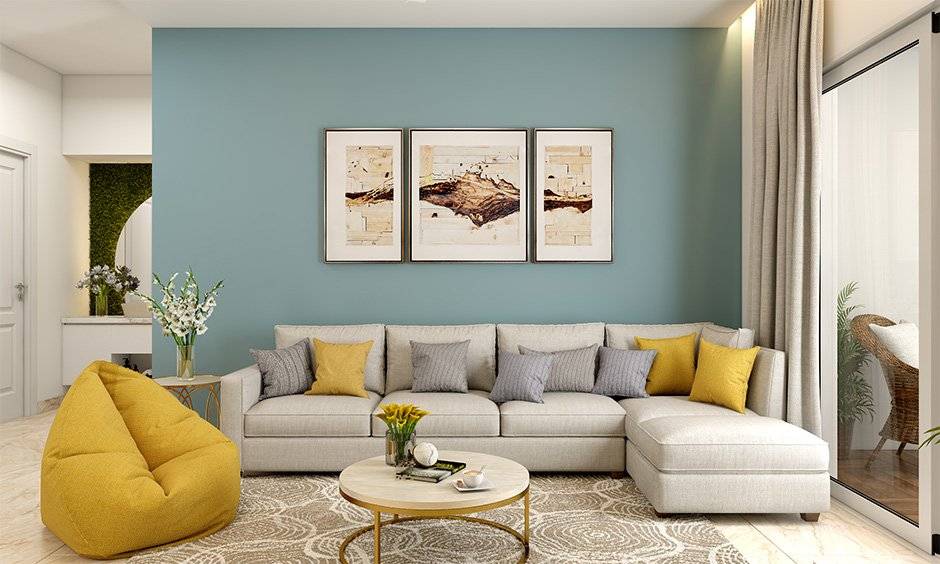
Embarking on the journey of home design can be both exciting and overwhelming. Understanding your personal style is a crucial first step in this journey, as it serves as the foundation for all your design choices. Your personal style reflects your preferences, lifestyle, and personality, which should be mirrored in the spaces you inhabit. By identifying your style, you can create a home that is not only beautiful but also feels authentic and comfortable.
To delve into this understanding, consider what inspires you—be it nature, art, travel, or memories. These inspirations often translate into design elements that you are naturally drawn to. For some, it might be the sleek lines of modern architecture, while for others, it might be the cozy, layered feel of a rustic farmhouse. Just as choosing a fancy dress reflects your personal taste and individuality, recognizing these preferences is essential to crafting a space that is uniquely yours.
Moreover, personal style in home design is not static; it evolves over time. As you grow and change, so too might your tastes and needs. It’s important to periodically reassess your style to ensure that your home continues to resonate with who you are. This adaptability is part of what makes home design such a personal and rewarding endeavor.
The Impact of Personal Style on Home Aesthetics
Your personal style significantly impacts the aesthetics of your home, influencing everything from the colors you choose to the furniture you select. Much like selecting clothing that reflects your taste—whether it’s designer pieces, vintage finds, or replica dresses—your design choices help express your individuality. A home that aligns with your style feels harmonious and inviting, reflecting your identity and making you feel at ease. When style elements are thoughtfully integrated, they create a cohesive look that enhances the overall ambiance of your space.
For example, if you have a penchant for minimalist design, your home might feature clean lines, neutral color palettes, and uncluttered spaces. These choices not only cater to aesthetic preferences but also promote a sense of calm and order. Conversely, if your style leans towards bohemian, you might incorporate vibrant colors, eclectic patterns, and a mix of textures, creating a lively and dynamic environment.
It’s crucial to remember that personal style doesn’t just affect large-scale elements like furniture and paint; it also permeates smaller details such as decor, lighting, and accessories. These elements, though subtle, play a vital role in bringing your personal style to life and ensuring that your home feels both cohesive and complete.
Key Elements of Personal Style
Identifying the key elements of your personal style can streamline the decision-making process in home design. These elements often include aspects such as color, texture, patterns, and materials, each contributing to the overall vibe of your space. Just as a facial spa service is tailored to enhance your individual skincare needs, understanding these design components helps you make informed choices that align with your unique vision.
- Color: The palette you choose can set the mood for your entire home. Whether you prefer warm, earthy tones or cool, serene shades, colors are a powerful tool in expressing your personal style.
- Texture: Incorporating varied textures adds depth and interest to your home. From smooth, polished surfaces to rough, natural materials, texture can significantly influence the feel of a room.
- Patterns: Patterns can inject personality and movement into your space. Whether through textiles, wallpapers, or art, the patterns you choose can make a bold statement or offer subtle complexity.
Materials also play a significant role in defining personal style. Whether you gravitate towards natural materials like wood and stone or prefer the sleek look of metal and glass, these choices impact the aesthetic and functionality of your home. By focusing on these key elements, you can curate a space that truly reflects your individual taste.
Analyzing Different Design Styles: Modern, Traditional, Eclectic, and More
Exploring various design styles can provide inspiration and clarity as you define your personal style. Each style offers unique characteristics that can be incorporated into your home design strategy. Here’s a brief look at a few popular styles:
- Modern: Characterized by simplicity, clean lines, and a neutral color palette. This style often features open spaces and a focus on function.
- Traditional: Known for its classic details, rich colors, and elegant furnishings. Traditional design often includes intricate woodwork, upholstered furniture, and a sense of symmetry.
- Eclectic: A mix-and-match approach that blends elements from different styles and eras. This style is perfect for those who love to showcase a wide array of influences and personal interests.
- Rustic: Emphasizes natural materials and a warm, cozy aesthetic. It often includes elements like exposed beams, reclaimed wood, and earthy tones.
- Industrial: Inspired by warehouses and factories, this style features raw materials, high ceilings, and an open layout. It often includes metal accents and exposed ductwork.
Understanding the nuances of these styles can help you decide which elements resonate most with you, allowing you to blend them in ways that reflect your unique personal style.
How to Identify Your Personal Style
Identifying your personal style requires reflection and exploration. Start by taking inventory of what you already own and love. Consider the items in your wardrobe, the art on your walls, and the decor you gravitate towards. These items often hold clues about your inherent preferences and can guide your home design choices.
Another effective approach is to create a mood board or Pinterest board. Collect images of spaces, colors, and items that appeal to you. As you gather more images, patterns will emerge, revealing a clearer picture of your style. Whether it’s the consistent use of a particular color scheme or a recurring theme in furniture choices, these insights can be invaluable.
Don’t be afraid to experiment and step outside your comfort zone. Sometimes, trying something new can lead to unexpected discoveries about your preferences. Attend home design workshops, visit showrooms, or consult with a designer to gain fresh perspectives. Through this process, you can hone in on a style that not only speaks to you but also serves your lifestyle and needs.
Incorporating Personal Style into Home Design Choices
Once you’ve identified your personal style, the next step is to incorporate it into your home design choices. This involves selecting furniture, decor, and finishes that align with your aesthetic vision. The key is to ensure that each choice contributes to a cohesive and harmonious living space.
Start with the larger elements, such as furniture and flooring. These foundational pieces set the tone for the rest of the room. Choose items that reflect your style’s core elements, whether that’s the sleek minimalism of modern design or the ornate detail of traditional decor.
Next, focus on the smaller details. Accessories like cushions, rugs, and wall art can add layers of interest and personality to your space. These items are an excellent way to experiment with different patterns and textures without committing to a complete overhaul.
Finally, don’t forget about functionality. Your home should not only look good but also work well for your needs. Consider how each design choice will impact the livability of your space. By balancing aesthetics with practicality, you can create a home that is both beautiful and functional.
The Role of Color, Texture, and Patterns in Reflecting Personal Style
Color, texture, and patterns are powerful tools in reflecting your personal style and enhancing the overall design of your home. Each element has its unique influence and can dramatically alter the feel of a space.
- Color: The color palette you choose can evoke specific emotions and set the overall mood of your home. Soft pastels might create a calming sanctuary, while bold, vibrant hues can energize and inspire.
- Texture: Textural variety adds depth and richness to a room. Mixing different textures, such as smooth leather with soft wool or rough stone with polished metal, can create a dynamic and inviting environment.
- Patterns: Patterns can be a playful expression of style, whether through geometric shapes, botanical prints, or abstract designs. They offer an opportunity to introduce character and complexity into your space.
When used thoughtfully, these elements can tie together different aspects of your design, creating a unified look that is both stylish and reflective of your personal taste. They allow you to experiment with different combinations until you find the perfect balance that speaks to your aesthetic sensibilities.
Creating a Harmonious Living Space: Tips and Tricks
Creating a harmonious living space involves more than just selecting beautiful items; it’s about achieving balance and cohesion throughout your home. Here are some tips to ensure your space feels unified and inviting:
- Establish a Focal Point: Each room should have a focal point that draws the eye and anchors the space. This could be a piece of artwork, a statement piece of furniture, or an architectural feature.
- Balance Proportions: Ensure that furniture sizes and arrangements suit the scale of the room. Overcrowding can make a space feel cramped, while too much empty space can feel stark and uninviting.
- Consistent Color Scheme: Use a consistent color palette throughout your home to create a sense of flow. Vary the shades and tones to add interest without disrupting continuity.
- Layer Lighting: Incorporate various lighting sources, such as ambient, task, and accent lighting, to create depth and versatility in your space.
- Edit and Curate: Less is often more. Regularly edit and curate your belongings to ensure your space remains clutter-free and focused on the elements that truly matter to you.
By following these tips, you can craft a living space that not only reflects your personal style but also feels balanced and cohesive, offering a sanctuary that is both functional and aesthetically pleasing.
Common Mistakes to Avoid in Home Design
While designing your home, it’s easy to fall into certain traps that can detract from the overall aesthetic and functionality of your space. Being aware of these common mistakes can help you avoid them and ensure a smoother design process.
- Ignoring Scale and Proportion: One of the most frequent errors in home design is selecting furniture that is too large or too small for a space. Always measure your room and furniture before making purchases to ensure they fit harmoniously.
- Overlooking Lighting: Proper lighting is crucial in creating ambiance and functionality. Avoid relying solely on overhead lights. Instead, incorporate a mix of lighting sources to enhance the mood and usability of the space.
- Neglecting Functionality: While aesthetics are important, functionality should not be sacrificed. Consider how you use each space and choose pieces that accommodate your lifestyle, ensuring your home remains practical.
- Following Trends Blindly: While trends can offer inspiration, they shouldn’t dictate all your design choices. Prioritize timeless elements that align with your personal style to create a space that feels authentic and enduring.
- Cluttering the Space: It’s easy to accumulate decor items over time, but too much can lead to a cluttered and chaotic look. Be selective with your decor, focusing on quality over quantity to maintain a clean and organized environment.
By keeping these pitfalls in mind, you can design a home that is not only visually appealing but also functional and reflective of your personal style.
Conclusion: Embracing Your Personal Style for a Unique Home
Embracing your personal style in home design is about creating a space that is uniquely yours, a place where you feel at home and truly yourself. By understanding your preferences and incorporating them into your design choices, you can craft a harmonious living environment that reflects your individuality and enhances your lifestyle.
Remember, your home is a canvas for your creativity and self-expression. Don’t be afraid to take risks and experiment with different elements until you find what resonates with you. Whether you choose to follow a specific design style or blend various influences, the key is to create a space that feels authentic and comfortable.


