



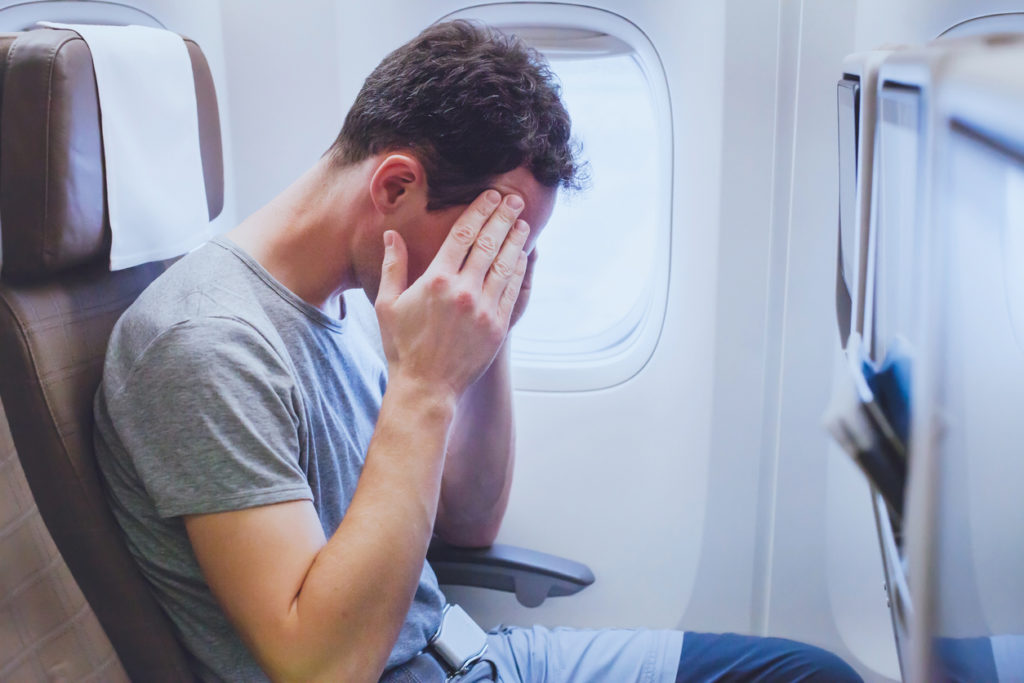
Travel fatigue is a common phenomenon that many travelers experience, characterized by a general sense of tiredness and lethargy following a journey. Unlike jet lag, which is primarily related to crossing time zones, travel fatigue can occur regardless of distance traveled. It can arise from prolonged periods of inactivity, irregular sleep patterns, and the physical and mental stress of travel. Recognizing the symptoms of travel fatigue, such as persistent tiredness, headaches, and irritability, can help you address it effectively.
Travel fatigue can significantly impact your enjoyment of a trip. It can drain your energy, making it difficult to engage fully with your surroundings or participate in activities. This fatigue is not just physical; the mental strain of navigating airports, dealing with delays, and adjusting to new environments can also contribute to this exhaustion. Incorporating best multivitamins into your travel routine can help support your immune system and energy levels, empowering you to combat these effects and ensuring that your travels remain a source of joy rather than a drain.
Effective management of travel fatigue involves a combination of strategies. You can incorporate movement into your travel routine, prioritize hydration, and maintain a balance between rest and activity. By taking these steps, you can minimize the impact of travel fatigue and enhance your overall travel experience. It’s about creating a travel routine that keeps you energized and ready to explore new destinations.
The Science behind Jet Lag
Jet lag is a temporary sleep disorder that occurs when your body’s internal clock, or circadian rhythm, is disrupted by crossing multiple time zones. This disruption can lead to a misalignment between your internal clock and the local time at your destination, causing symptoms such as insomnia, daytime fatigue, and difficulty concentrating. The severity of jet lag varies based on the number of time zones crossed and the direction of travel, with eastward travel often resulting in more severe symptoms. Incorporating high quality Magnesium Glycinate into your routine may help improve sleep quality and ease the adjustment process by promoting relaxation and reducing insomnia.
The science of jet lag revolves around the hormone melatonin, which regulates sleep-wake cycles. When you travel across time zones, your body’s melatonin production can become out of sync with the local time, leading to sleep disturbances. Light exposure plays a crucial role in resetting your internal clock. For example, exposure to morning light can help advance your circadian rhythm, while evening light can delay it. Understanding how light affects your internal clock can help you adjust more quickly to a new time zone.
Combating jet lag involves strategic exposure to light, along with other measures such as adjusting your sleep schedule before travel and staying hydrated. Movement, such as walking or light stretching, can also facilitate adjustment by promoting blood circulation and reducing the feeling of sluggishness. Incorporating these strategies can help you minimize the effects of jet lag, allowing you to adapt to your new environment more smoothly and maintain consistency in your body transformation goals even while traveling.
The Benefits of Movement during Travel
Incorporating movement into your travel routine brings a multitude of benefits that extend beyond combating fatigue. Regular physical activity during travel improves circulation, reduces the risk of deep vein thrombosis (DVT), and enhances mood by releasing endorphins. It can also help prevent muscle stiffness that often accompanies long flights or car journeys, making it easier to stay comfortable and alert.
Movement during travel isn’t just about exercise; it’s about maintaining a balance of activity that suits your environment. Simple actions like taking a brisk walk during layovers or performing stretching exercises in your hotel room can significantly impact your overall well-being. These activities help keep your energy levels up, but also contribute to consistent weight loss efforts, allowing you to make the most of your journey and engage fully with the experiences your destination offers.
Moreover, incorporating movement into your travel routine can enhance your mental health. Physical activity is known to reduce stress and anxiety, which are common during travel. By including movement as an integral part of your travel itinerary, you create a routine that supports not only your physical health but also your mental and emotional well-being, ensuring a more fulfilling travel experience.
Effective Exercises to Combat Travel Fatigue
Engaging in exercises specifically designed to combat travel fatigue can revitalize your body and mind. These exercises do not require special equipment and can be performed virtually anywhere, making them ideal for travelers. Here are some effective exercises that you can incorporate into your travel routine:
- Walking or Light Jogging: A simple walk or light jog is one of the most effective ways to get your blood circulating and elevate your mood. Whether it’s a stroll through the airport terminal or a jog around your hotel block, this activity can help you shake off fatigue.
- Bodyweight Exercises: Exercises such as squats, lunges, and push-ups are excellent for maintaining strength and flexibility during travel. They can be performed in small spaces, such as your hotel room, and require no equipment.
- Yoga and Stretching: Incorporating a few yoga poses or stretching exercises can help alleviate tension and improve flexibility. Poses like the downward dog, cat-cow stretch, and spinal twists are particularly beneficial for travelers.
Incorporating these exercises into your travel routine can significantly reduce fatigue and improve your overall travel experience. They help keep your body active, which is crucial for maintaining energy levels and combating the lethargy associated with long journeys.
Stretching Techniques for Long Flights
Long flights can leave you feeling stiff and uncomfortable, but incorporating stretching techniques can make a significant difference. Stretching helps maintain flexibility, promotes circulation, and alleviates muscle tension, all of which are crucial for preventing fatigue and discomfort during flights.
Neck and Shoulder Stretches: Long flights often result in neck and shoulder tension due to prolonged sitting and limited movement. Simple stretches, such as neck rolls and shoulder shrugs, can relieve tension in these areas. Gently rolling your neck from side to side and shrugging your shoulders up and down can help alleviate stiffness.
Leg and Foot Stretches: Keeping your legs and feet moving is vital to prevent stiffness and improve circulation during flights. Ankle circles, calf raises, and seated leg lifts can be performed easily in your seat. These stretches help reduce the risk of swelling and discomfort in the lower body.
Spine and Back Stretches: Long periods of sitting can strain your spine and back muscles. To counteract this, try seated spinal twists or gently arching your back while seated. These stretches promote flexibility and relieve tension, helping you stay comfortable throughout the flight.
Incorporating these stretching techniques into your travel routine not only enhances your comfort during long flights but also contributes to minimizing travel fatigue. By keeping your muscles engaged and flexible, you can arrive at your destination feeling refreshed and ready to explore.
Incorporating Movement into Your Travel Routine
Successfully incorporating movement into your travel routine requires planning and adaptability. Before your trip, consider researching your destination to identify opportunities for physical activity. Whether it’s hiking trails, walking tours, or local gyms, knowing your options can help you stay active throughout your journey.
Create a Travel Fitness Plan: Outline a basic fitness plan that integrates movement into your daily itinerary. This could include morning stretches, a midday walk, or an evening workout. Having a plan keeps you accountable and ensures that you prioritize physical activity amid your travel schedule.
Use Technology: Leverage fitness apps and wearable devices to track your activity levels and set goals. These tools can provide a sense of accomplishment and motivation to stay active. Many apps offer guided workouts that you can follow in your hotel room or outdoors.
By embedding movement into your travel routine, you prioritize your physical well-being, making your travels more enjoyable and fulfilling. Whether you’re on a business trip or a leisurely vacation, staying active enhances your experience, allowing you to make the most of every moment.
The Role of Hydration in Reducing Fatigue
Adequate hydration is a fundamental component of combating travel fatigue. Dehydration is a common issue during travel, exacerbated by factors such as dry cabin air, irregular meal schedules, and increased physical activity. Staying hydrated supports your body’s functions, aids in digestion, and helps maintain energy levels.
Understand Your Hydration Needs: Your hydration needs may vary based on factors like climate, activity level, and personal health. As a general rule, aim to drink at least eight 8-ounce glasses of water per day, adjusting as necessary based on your circumstances.
Carry a Reusable Water Bottle: Having a water bottle on hand makes it easier to track your water intake and ensures that you have access to hydration whenever you need it. Refill it regularly, especially during flights or long journeys.
Monitor Your Caffeine and Alcohol Intake: While caffeine and alcohol are often part of travel routines, they can contribute to dehydration. Balance their consumption with adequate water intake to prevent dehydration-related fatigue.
By prioritizing hydration, you support your body’s ability to function optimally, reducing the risk of travel fatigue. Ensuring that you remain well-hydrated also enhances your overall travel experience, allowing you to stay alert, focused, and ready to explore.
Tips for Staying Active While Traveling
Staying active while traveling requires creativity and commitment, but the benefits make it worthwhile. Here are some practical tips to help you maintain an active lifestyle on the road:
- Explore on Foot: Walking is one of the easiest and most effective ways to stay active while traveling. Choose to walk instead of taking public transport for short distances, or join walking tours to explore your destination.
- Choose Accommodations with Fitness Facilities: When booking accommodations, consider those with fitness centers or pools. Having access to these facilities makes it easier to incorporate exercise into your daily routine.
- Pack Portable Fitness Equipment: Resistance bands, jump ropes, or a yoga mat can be easily packed in your luggage and used for workouts in your hotel room or outdoors.
- Schedule Active Excursions: Integrate physical activities into your itinerary, such as hiking, biking, or swimming. These activities allow you to experience your destination while staying active.
By incorporating these tips into your travel plans, you can maintain an active lifestyle and reduce the impact of travel fatigue. Staying active enhances your travel experience, ensuring that you remain energized and engaged throughout your journey.
The Importance of Sleep Hygiene for Travelers
Maintaining good sleep hygiene is essential for managing travel fatigue and ensuring a restful night’s sleep. Travel often disrupts sleep patterns due to changes in time zones, unfamiliar environments, and irregular schedules. Focusing on sleep hygiene can help you achieve better sleep quality and reduce the effects of travel fatigue.
Establish a Consistent Sleep Schedule: Try to go to bed and wake up at the same time each day, even while traveling. Consistency helps regulate your body’s internal clock, making it easier to adjust to new time zones.
Create a Sleep-Conducive Environment: Ensure your sleeping environment is comfortable and free from disturbances. Use earplugs and an eye mask to block out noise and light, and consider bringing a travel pillow or blanket for added comfort.
Limit Screen Time Before Bed: Exposure to screens before bedtime can interfere with your ability to fall asleep. Avoid using electronic devices at least an hour before bed, and instead, engage in relaxing activities such as reading or meditation.
By prioritizing good sleep hygiene, you can improve your sleep quality and minimize the impact of travel fatigue. Quality sleep rejuvenates your body and mind, allowing you to make the most of your travel experiences.
Conclusion: Embracing Movement for a Better Travel Experience
Incorporating movement into your travel routine is a powerful strategy for combating travel fatigue and enhancing your overall experience. Whether it’s through structured exercises, simple stretches, or active exploration, movement keeps you energized, focused, and ready to embrace the adventures that await you.
By understanding the science behind travel fatigue and implementing effective strategies, you can minimize its impact and make the most of your journeys. Movement, hydration, and sleep hygiene are essential components of a holistic approach to travel wellness. As you embark on your next adventure, prioritize these elements to ensure a fulfilling and invigorating travel experience.


